
Retail web design, SEO, and paid ads
Boutique Web Design, SEO & Paid Ads
A guide to boutique websites that combine product story, local SEO, ecommerce clarity, seasonal campaigns, and visual direction that feels shoppable.
local shoppers, gift buyers, tourists, style seekers, repeat clients, event shoppers, ecommerce visitors, and people discovering the shop from social or search
turn discovery into store visits, online orders, newsletter signups, product inquiries, gift card sales, and event attendance
campaigns for gift guides, seasonal collections, local pickup, events, new arrivals, holiday shopping, and retargeting product viewers
Web design, SEO, and paid ads for Maryland boutiques
Web design, SEO, and paid ads for boutiques should work as one system, not three disconnected services. The website shapes the first impression, SEO gives the offer a durable path into local search, and paid ads create focused moments of visibility when the business wants to fill a calendar, promote a package, launch a campaign, or reach a higher-intent audience.
For boutiques, the site has to serve local shoppers, gift buyers, tourists, style seekers, repeat clients, event shoppers, ecommerce visitors, and people discovering the shop from social or search. Those visitors are not simply browsing. They are comparing style, trust, availability, location, price context, and the feeling of the business. A thoughtful website makes that decision feel easier without flattening the brand into a generic template.
Reverie Green's sweet spot is the place where beauty and lead generation meet. A site can feel dreamy, editorial, and carefully designed while still being structured for search, fast loading, useful internal links, and clear calls to action. For this niche, the goal is to turn discovery into store visits, online orders, newsletter signups, product inquiries, gift card sales, and event attendance.
This is especially important for owners in growth mode. The right digital presence can support the progression from a beautiful storefront or social feed to a shoppable brand home with product edits, seasonal pages, email capture, and campaign paths. It can make the business easier to understand, easier to trust, and easier to choose, while giving future SEO content and campaign pages a place to live.
The real search intent behind the keywords
Searches like boutique near me, women's boutique Maryland, gift shop Baltimore, clothing boutique Annapolis, local boutique Bethesda, and curated gifts near me are useful keywords, but they are not the whole story. A searcher is trying to resolve uncertainty. They want to know whether the business feels credible, whether the service fits their need, whether the location works, and whether the next step is worth taking.
That means SEO content has to do more than repeat the niche name and a city. It should explain the offer, show the work, organize service details, and make the conversion path obvious. For boutiques, important details include product categories, seasonal edits, gift guides, store hours, ecommerce, pickup, returns, sizing, events, and brand story. When those details are hidden or vague, the visitor often returns to Google or chooses a competitor with clearer information.
The strongest pages use headings, metadata, internal links, image alt text, and local context to make the page understandable. The copy should sound like a real brand speaking to a real client, not like a list of phrases stitched together for search engines.
A website as beautiful as the work
The website should feel like stepping into the shop with a clearer path to buy. This is not only an aesthetic belief; it is a conversion principle. If the website feels careless, outdated, slow, or confusing, visitors start to wonder whether the service experience will feel the same.
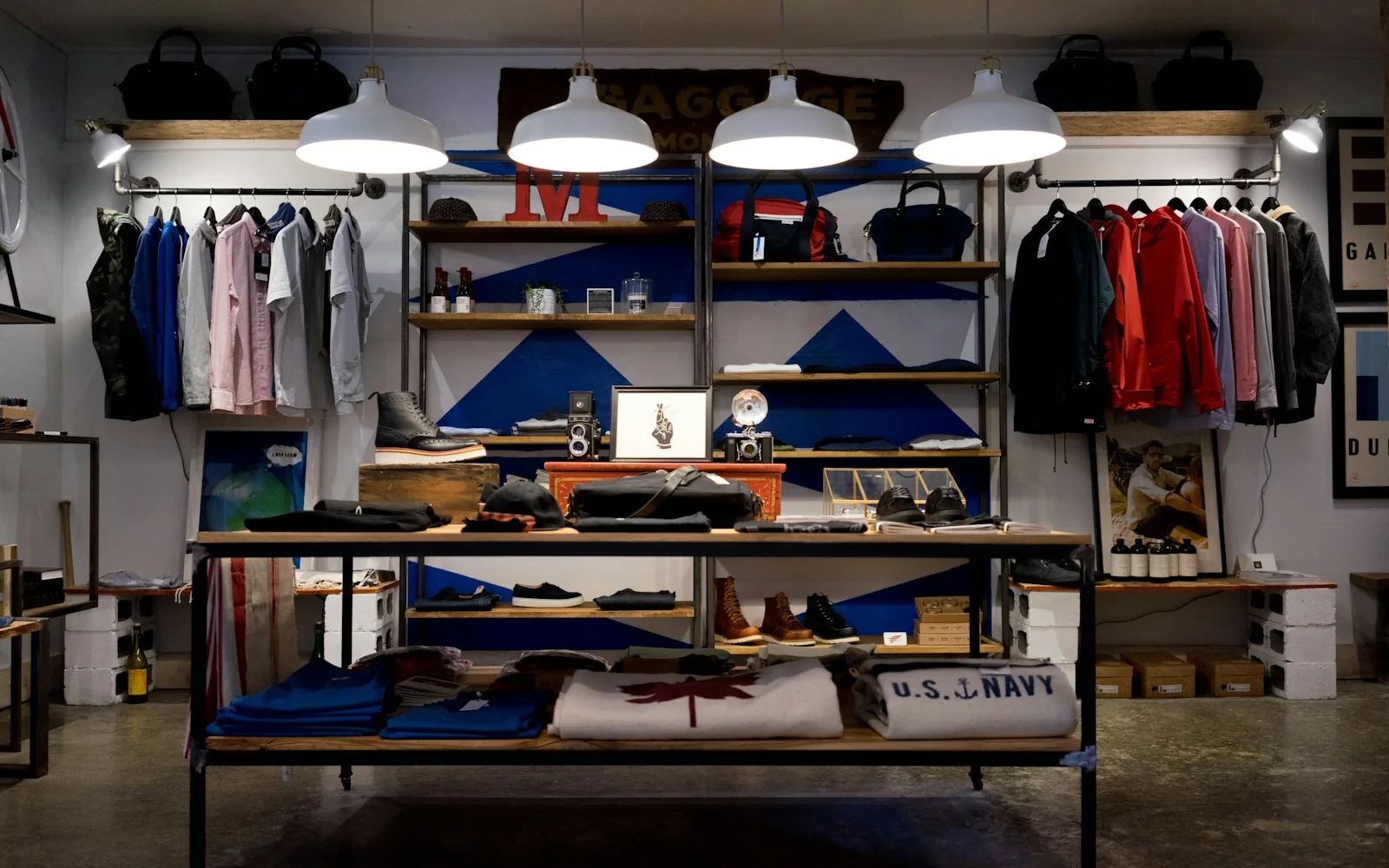
For boutiques, visual direction can be editorial, tactile, polished, easy to shop, and specific enough to make the boutique feel different from a generic ecommerce template. The imagery should help a visitor imagine the result, the room, the appointment, the service, or the project outcome. It should not feel like generic stock, and it should not be so heavy that the page becomes slow.
A beautiful website also needs restraint. The best pages reserve space for images, keep type readable on mobile, create clear pathways through services, and use calls to action with intention. Reverie Green designs for that balance: visually memorable, technically disciplined, and easy to move through.
Local SEO for Maryland service businesses
Boutique search blends local shopping and style identity, so the site should connect city discovery with a curated point of view. Maryland search is not one flat market. Baltimore, Annapolis, Bethesda, Silver Spring, Rockville, Columbia, Frederick, Towson, Gaithersburg, and Ocean City each bring different client behavior, competition, timing, and local expectations.
A statewide strategy should use local language where it helps the reader. A page can mention city context, neighborhoods, service areas, parking, travel radius, consultation availability, or seasonal demand without turning into keyword stuffing. The goal is useful specificity.
Technical SEO matters here too. Clean URLs, descriptive page titles, crawlable links, optimized images, fast load times, structured data, and sitemap inclusion all support discovery. None of those details replace strong content, but they help the content do its job.
Paid ads need landing pages, not just traffic
Paid ads can create attention quickly, but attention is expensive when the landing page is weak. For boutiques, paid ads should usually focus on campaigns for gift guides, seasonal collections, local pickup, events, new arrivals, holiday shopping, and retargeting product viewers. Each campaign deserves a page that matches the promise, shows the right proof, and asks for the right next action.
A strong landing page protects ad budget by staying specific. The headline should reflect the ad. The imagery should match the service or offer. The page should answer obvious objections before the CTA. Forms should ask enough to qualify the lead without becoming exhausting.
Reverie Green thinks about paid ads and web design together because the page is where the click becomes a business opportunity. The best campaign is not the one with the prettiest ad; it is the one with a complete path from search or scroll to inquiry, booking, call, signup, or purchase.
Content that turns taste into trust
Taste makes the site memorable, but trust makes the visitor act. For boutiques, content should clarify what the business does, who it serves, what makes it distinct, and what a client can expect after reaching out or booking.
That content can include service pages, FAQs, process sections, galleries, before-and-after proof, city pages, seasonal pages, and educational articles. The point is not to publish content for content's sake. The point is to answer the questions that stand between a visitor and a confident next step.
This is where niche focus becomes powerful. A general web design page can explain capabilities. A niche page can show that Reverie Green understands the buyer journey, visual stakes, local search behavior, and conversion moments of a specific kind of business.
A growth system that can mature
A new website should feel complete at launch, but it should not be boxed in. As boutiques grow, the site may need new services, new campaign pages, new galleries, new city content, new team members, new offers, and better reporting. That growth is easier when the original structure is clear.
The site should anticipate moments like shopping for a gift, checking new arrivals, planning a store visit, buying online for pickup, joining an event. Those moments can become page sections, landing pages, email captures, internal links, or paid ad campaigns. A site with good architecture lets the business respond without rebuilding everything from scratch.
Reverie Green builds for that kind of evolution: beautiful first impressions, SEO-aware structure, paid ads-ready landing pages, and a calm system that can keep supporting the business as it becomes more visible, more established, and more in demand.
Recommended structure
Page modules that help boutiques earn better leads.
Collection pages for seasonal edits and categories
Gift guide and event landing pages
Local pickup, shipping, returns, and store visit details
Email capture for new arrivals and private shopping
Brand story and owner point of view
Paid ads pages for collections and holidays
Maryland city strategy
Local SEO context across the state.
Baltimore
Baltimore searches often combine neighborhood intent, mobile comparison, and immediate booking behavior, so pages should make location, fit, and next steps visible quickly. Boutique search blends local shopping and style identity, so the site should connect city discovery with a curated point of view.
Annapolis
Annapolis audiences include locals, visitors, government professionals, waterfront planners, and event-minded clients who need polished trust signals. Boutique search blends local shopping and style identity, so the site should connect city discovery with a curated point of view.
Bethesda
Bethesda searchers tend to compare premium options closely, so the site needs refined visuals, specific service detail, and confidence-building proof points. Boutique search blends local shopping and style identity, so the site should connect city discovery with a curated point of view.
Silver Spring
Silver Spring pages should speak to busy, diverse, mobile-first audiences who want clarity around availability, location, specialties, and fit. Boutique search blends local shopping and style identity, so the site should connect city discovery with a curated point of view.
Rockville
Rockville search behavior often rewards practical information around service areas, pricing context, scheduling, parking, consultations, and reputation. Boutique search blends local shopping and style identity, so the site should connect city discovery with a curated point of view.
Columbia
Columbia visitors may be balancing family, work, wellness, errands, and home decisions, so strong service pages should make the decision feel simple. Boutique search blends local shopping and style identity, so the site should connect city discovery with a curated point of view.
Frederick
Frederick brands can lean into local character, founder story, craft, before-and-after detail, and city-specific service language without sounding generic. Boutique search blends local shopping and style identity, so the site should connect city discovery with a curated point of view.
Towson
Towson pages often need to serve students, professionals, families, and established neighborhoods with fast navigation and clear calls to action. Boutique search blends local shopping and style identity, so the site should connect city discovery with a curated point of view.
Gaithersburg
Gaithersburg searchers often compare suburban convenience, service quality, scheduling ease, and value, especially from mobile search and paid ads. Boutique search blends local shopping and style identity, so the site should connect city discovery with a curated point of view.
Ocean City
Ocean City traffic can be seasonal and visitor-heavy, which makes landing pages, campaign timing, local proof, and mobile clarity especially useful. Boutique search blends local shopping and style identity, so the site should connect city discovery with a curated point of view.
Local search signals
Details worth building into the SEO foundation.
- city and category language in product and collection pages
- optimized store visit information
- internal links between gift guides, collections, and ecommerce
- image alt text for products and displays
- seasonal content that can refresh throughout the year
Paid ads signals
Campaign details that protect ad spend.
- collection-specific landing pages
- clear shipping and pickup details
- email signup near campaign offers
- product image speed optimization
- retargeting for product and collection viewers
Questions
Common questions for boutiques thinking about growth.
Should a boutique website be ecommerce or informational?
It depends on the business, but even a primarily local boutique benefits from shoppable product story, store details, email capture, and seasonal landing pages.
How can boutiques use SEO?
SEO can support local shopping searches, product category searches, gift guides, event pages, and city-specific boutique discovery.
What paid ads work for boutiques?
Seasonal collections, gift guides, events, new arrivals, and retargeting campaigns tend to work better than broad brand ads.