
Photography, Artwork or Diagrams? Give Every Website Visual a Job
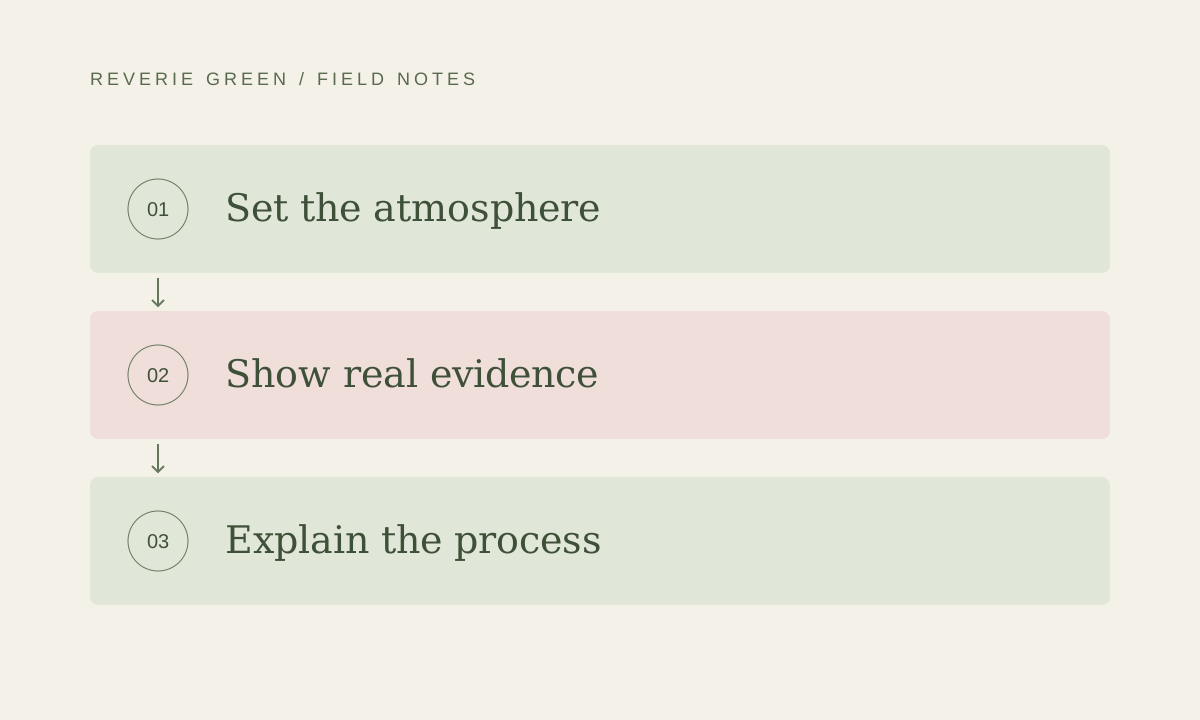
How to choose website imagery with purpose, review generated artwork carefully and keep visual storytelling consistent across desktop and mobile.
Read PostStylistic Approach
Notes from our studio on good design, helpful service pages, real project stories, and making your business easier to find and get to know.
Latest note
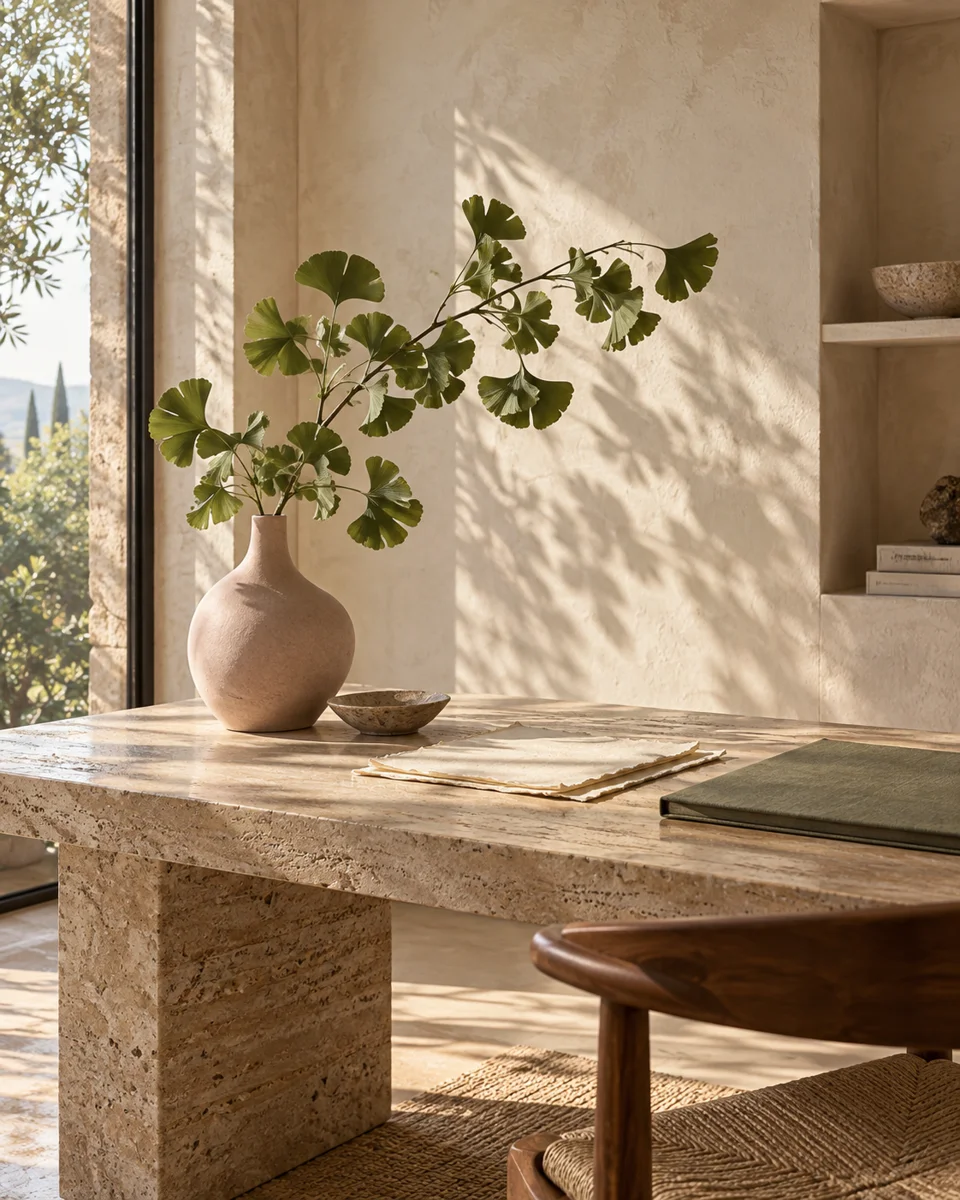
A practical mobile design review for service businesses: simplify the first screen, make text comfortable and keep the next step easy to reach.
Read LatestEarlier entries
How to choose website imagery with purpose, review generated artwork carefully and keep visual storytelling consistent across desktop and mobile.
Read PostTurn a long company history into a clear contractor website with genuine project evidence, service detail and an approachable estimate process.
Read Post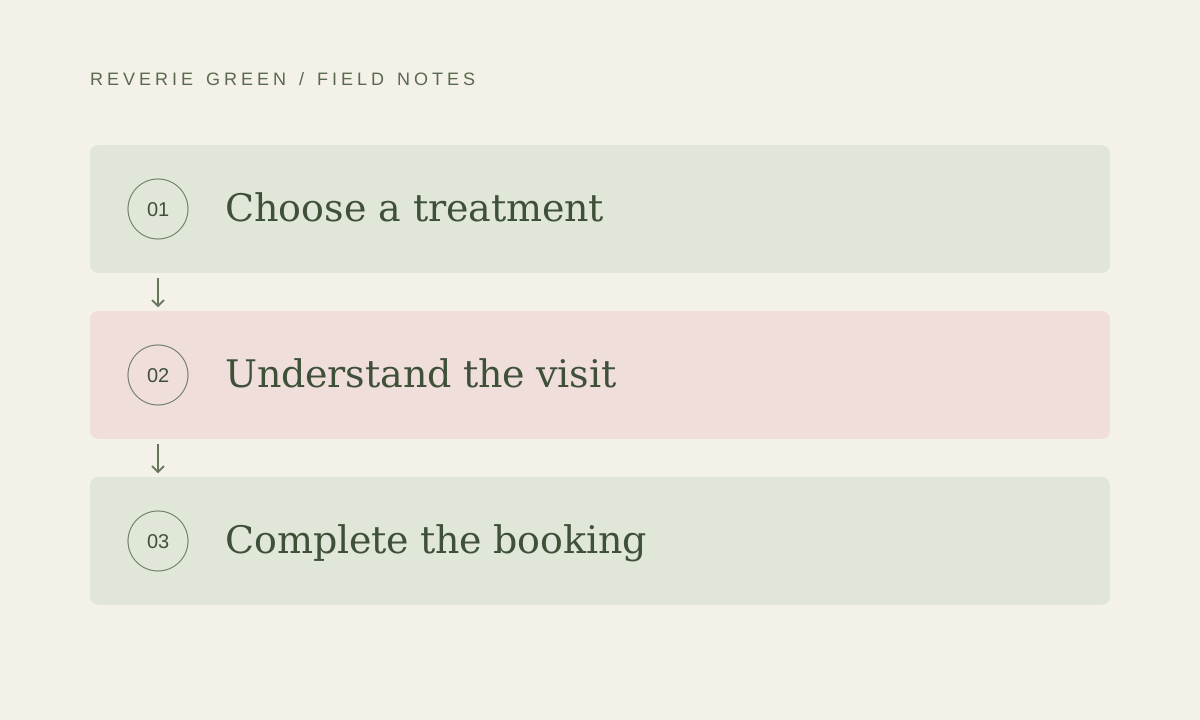
A guest-focused spa website checklist covering treatment choices, arrival details, booking handoffs and the reassurance that supports a first visit.
Read PostA manageable editorial plan for a local service business: collect real questions, choose useful page types and connect articles to relevant services.
Read Post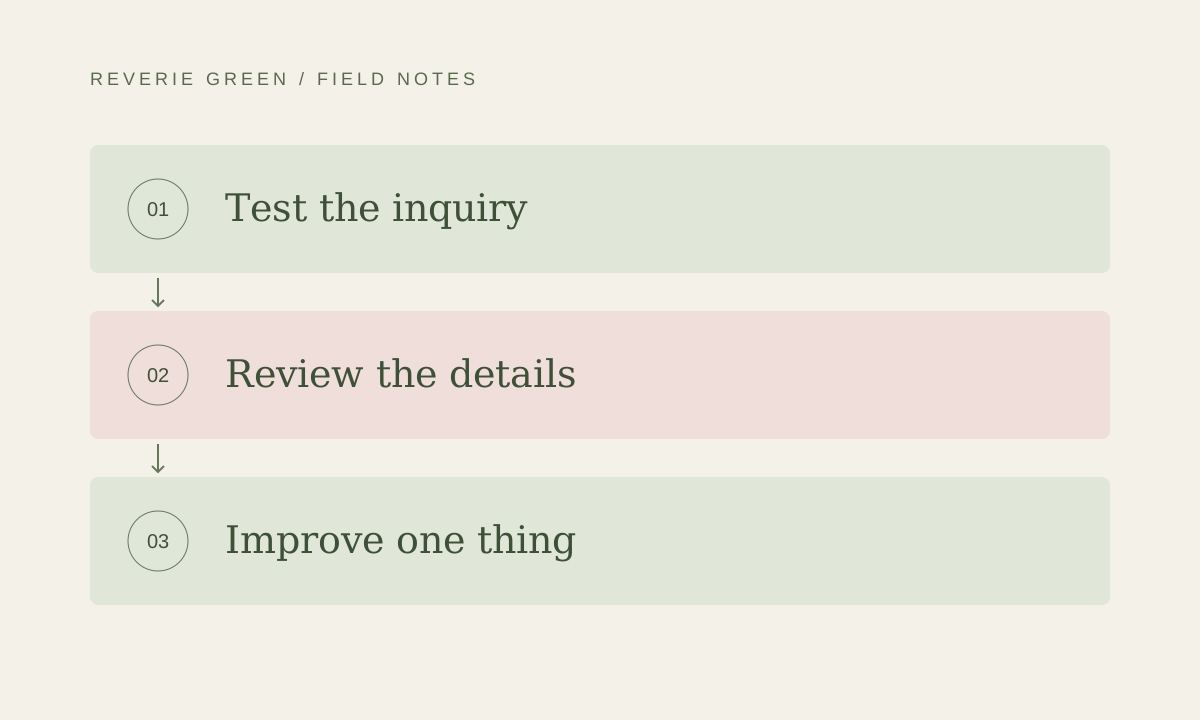
A practical website maintenance routine covering inquiries, service information, images and business details so small problems do not quietly accumulate.
Read Post
A practical brief for studio owners who want their next website to attract projects that fit their services, aesthetic, and process.
Read Post
A studio owner's checklist for a calmer website with useful class pages, an understandable intro offer, and a working booking path.
Read PostBefore rebuilding your remodeling website, define the projects, proof, service area, and consultation process that should shape it.
Read Post
A search-first website gives every service, location, and question a clear place to live, then connects those pages into a useful path from discovery to inquiry.
Read Post
A spa website should carry the feeling of the treatment room into search, service discovery, gift cards, and booking without making the path feel clinical or crowded.
Read Post
The right website can help a solo nail artist turn social attention into clear policies, stronger bookings, premium positioning, and an eventual salon brand.
Read PostHomeowners judge care, communication, and quality long before an estimate. A remodeling website should make the same standard visible online.
Read Post
Cafes, bakeries, coffee shops, diners, restaurants, lounges, bars, and rooftops each need a different kind of SEO-first website. The cluster approach gives every hospitality concept a clearer path into Maryland search.
Read Post
Small hospitality brands win online when the website explains the feeling of the place, the details of the menu, and the practical information guests need before they visit or order.
Read Post
Maryland restaurants, bars, lounges, and rooftops need websites that balance atmosphere with action: menus, reservations, events, private dining, and city-specific search intent.
Read Post
A beautiful website should also be easy for search engines and real people to understand. SEO-ready web design starts with structure, speed, useful content, and local clarity.
Read Post
A strong first impression starts with your own work, a clear offer, and the small details that help someone get to know your business.
Read Post
Calm design is not empty design. It is hierarchy, pacing, restraint, and the confidence to let the right details carry the page.
Read Post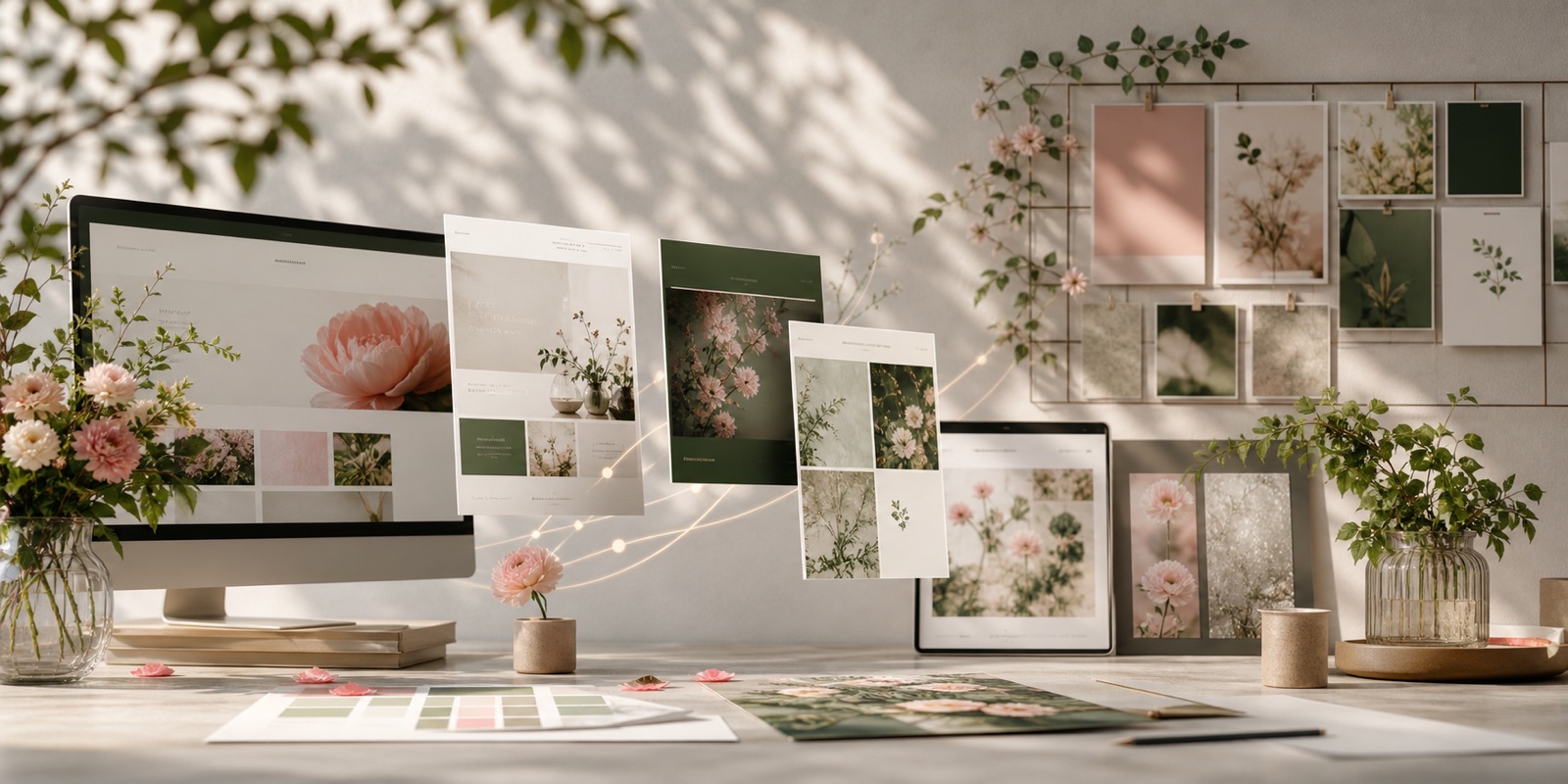
A website should not freeze a brand in place. It should become a living system for content, search, campaigns, and seasonal refinement.
Read Post
The details that make a brand memorable are often small: exact words, disciplined color, image choices, and the feeling of being unmistakably itself.
Read PostBeyond the journal
Different channels carry different parts of the conversation. Choose the one that feels natural and keep the website itself delightfully uncluttered.
Begin beautifully