Generic polish has a ceiling
A website can be clean, responsive, and visually pleasant and still feel forgettable. Generic polish is useful, but it does not give the visitor much to hold onto. Specificity is what turns a competent site into a memorable one.
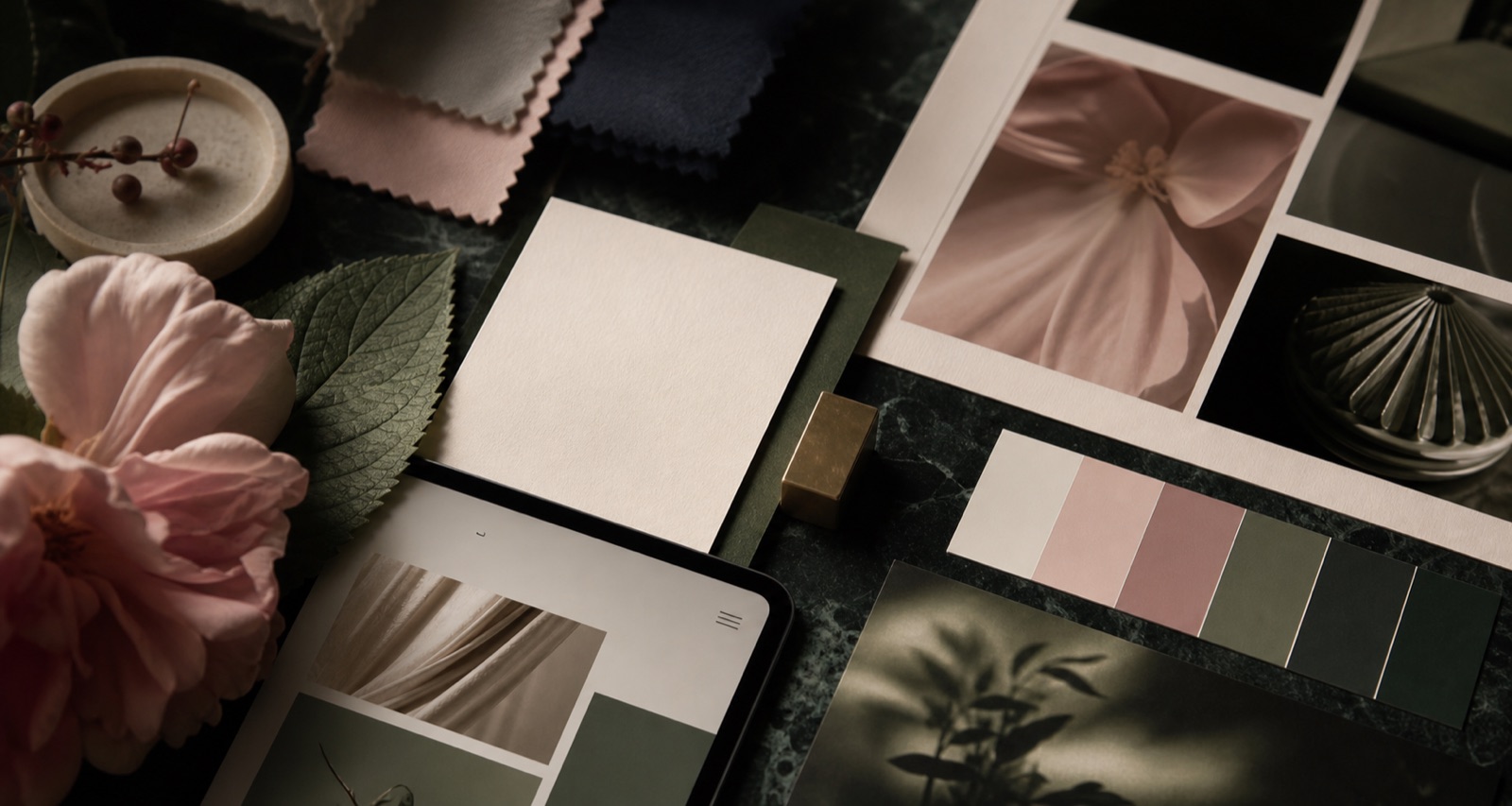
Specificity can show up in the way a service is named, the shape of a button, the crop of a photo, the rhythm of a headline, or the restraint of the color palette. These details do not need to shout. They need to belong.
The best details come from the business itself
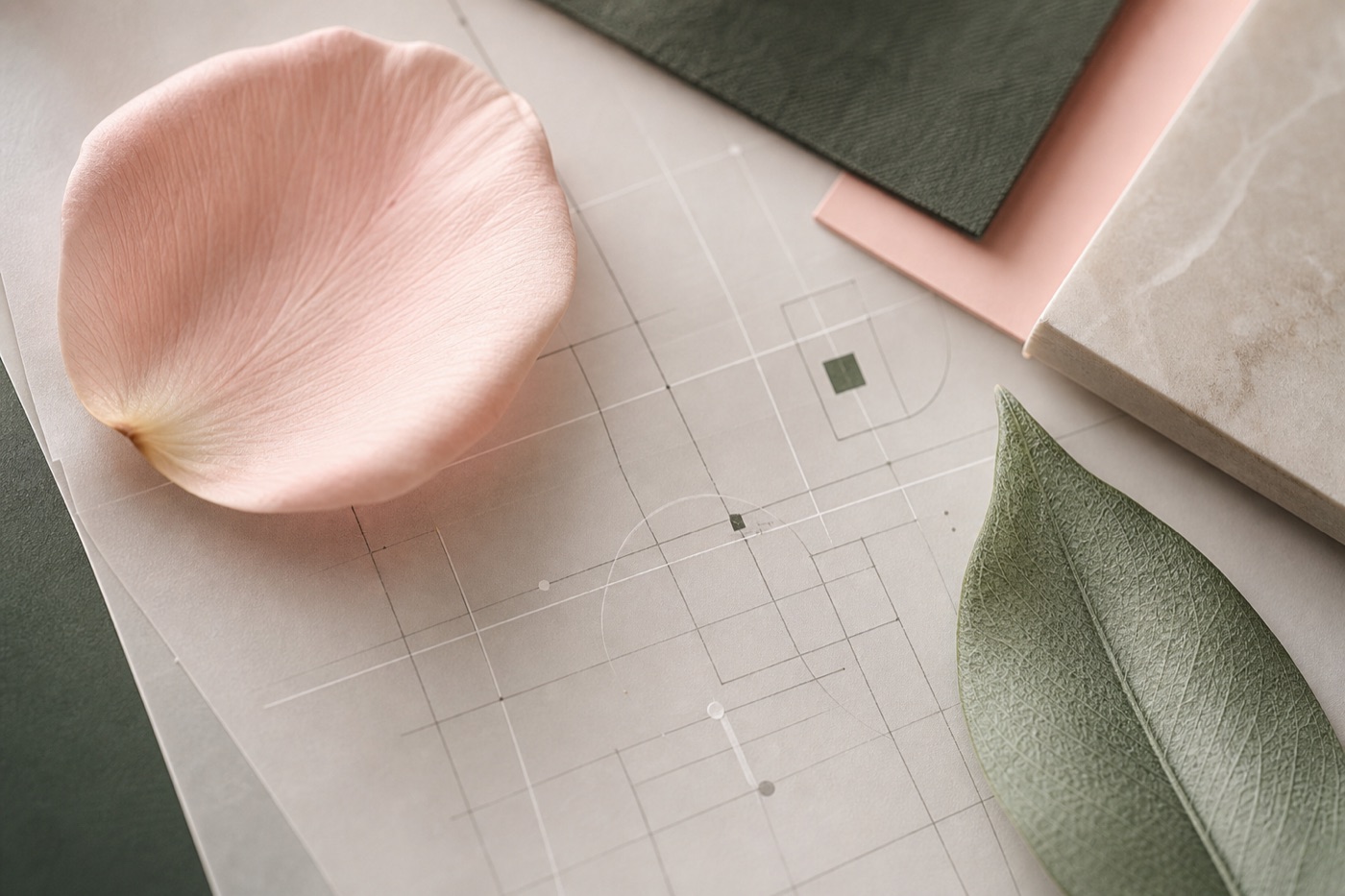
Design should not invent a personality that the brand cannot sustain. It should uncover what is already true and make it easier to see. A local studio, a technical consultant, a wellness practitioner, and a nonprofit should not all sound or look like the same template with swapped colors.
Good discovery work looks for the phrases, textures, rituals, customer concerns, and visual references that make the business distinct. From there, the website can become a focused expression of the real brand instead of a decorative costume.
Specificity helps search too
Search engines reward clarity. Specific service language, location signals, well-named images, useful headings, and content that answers real questions all help a page make sense. The same choices that make a site feel human can also make it easier to understand technically.
That is the quiet advantage of a design-led SEO approach. The site can be beautiful and expressive while still giving search engines clean structure, relevant language, and performance-minded assets.
What to carry forward
- Replace vague brand language with exact, useful phrases.
- Choose visuals for meaning, not decoration alone.
- Let SEO structure support the same clarity that good design creates.